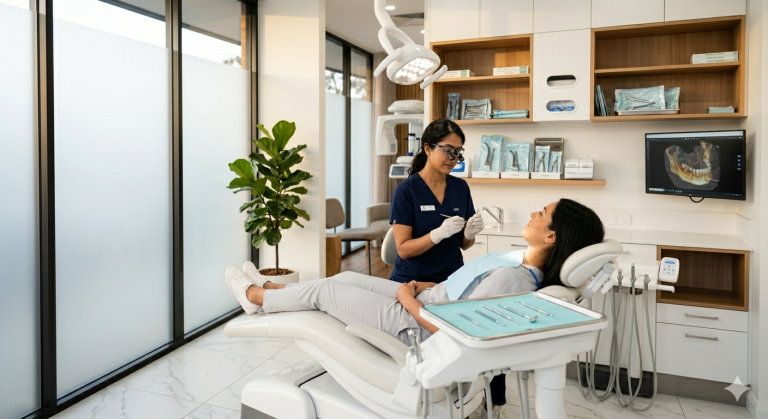
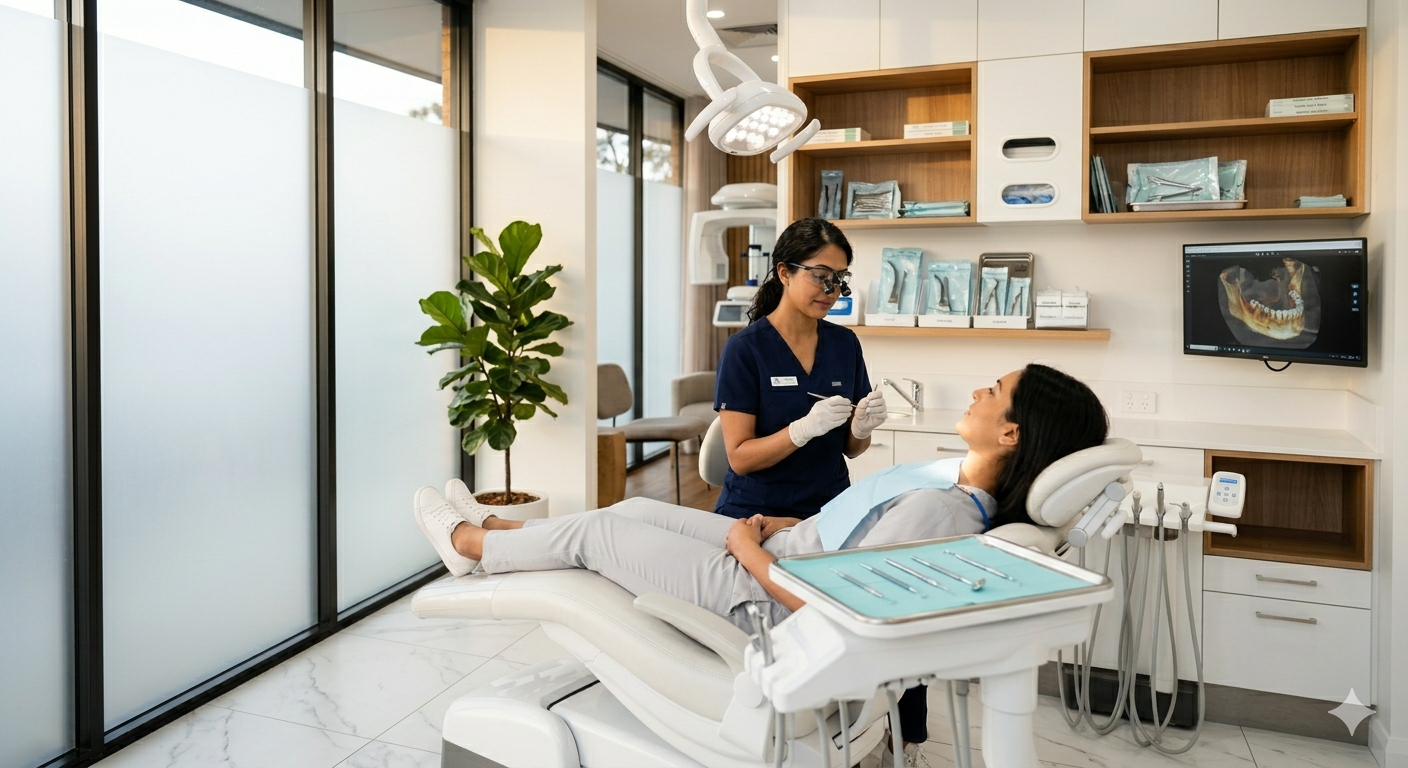
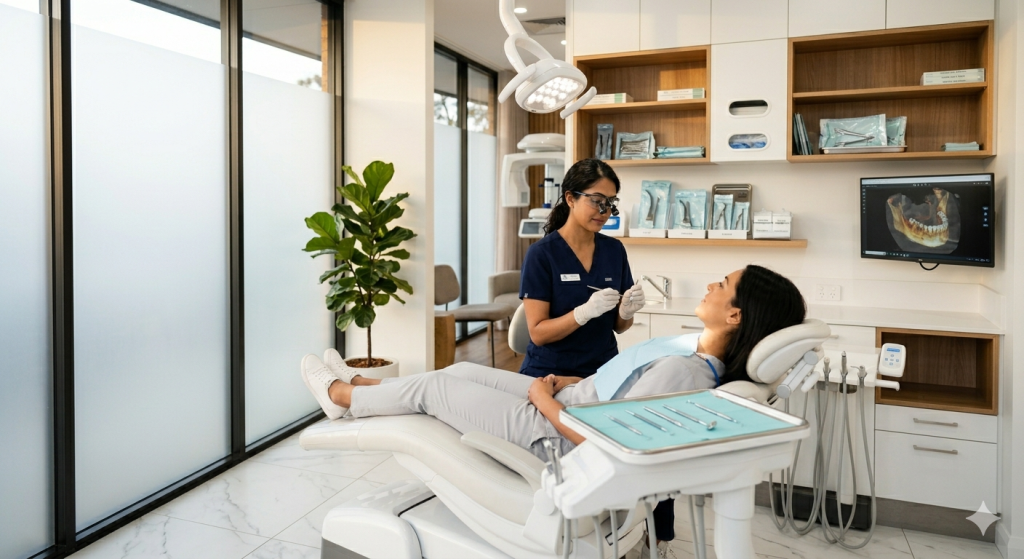
Many people avoid the dentist because of fear or anxiety, but sedation dentistry in Brooklyn, NY offers a calm and comfortable solution. Sedation dentistry helps patients relax during dental procedures, making treatments easier and less stressful. Whether it’s a simple cleaning or a more involved procedure, sedation can make a big difference.
This approach uses safe, carefully controlled medication to reduce anxiety without putting patients completely to sleep. It’s designed to suit different needs, from mild relaxation to deeper sedation, depending on what the patient requires. For those who have struggled with dental fear, sedation dentistry can change their entire experience for the better.
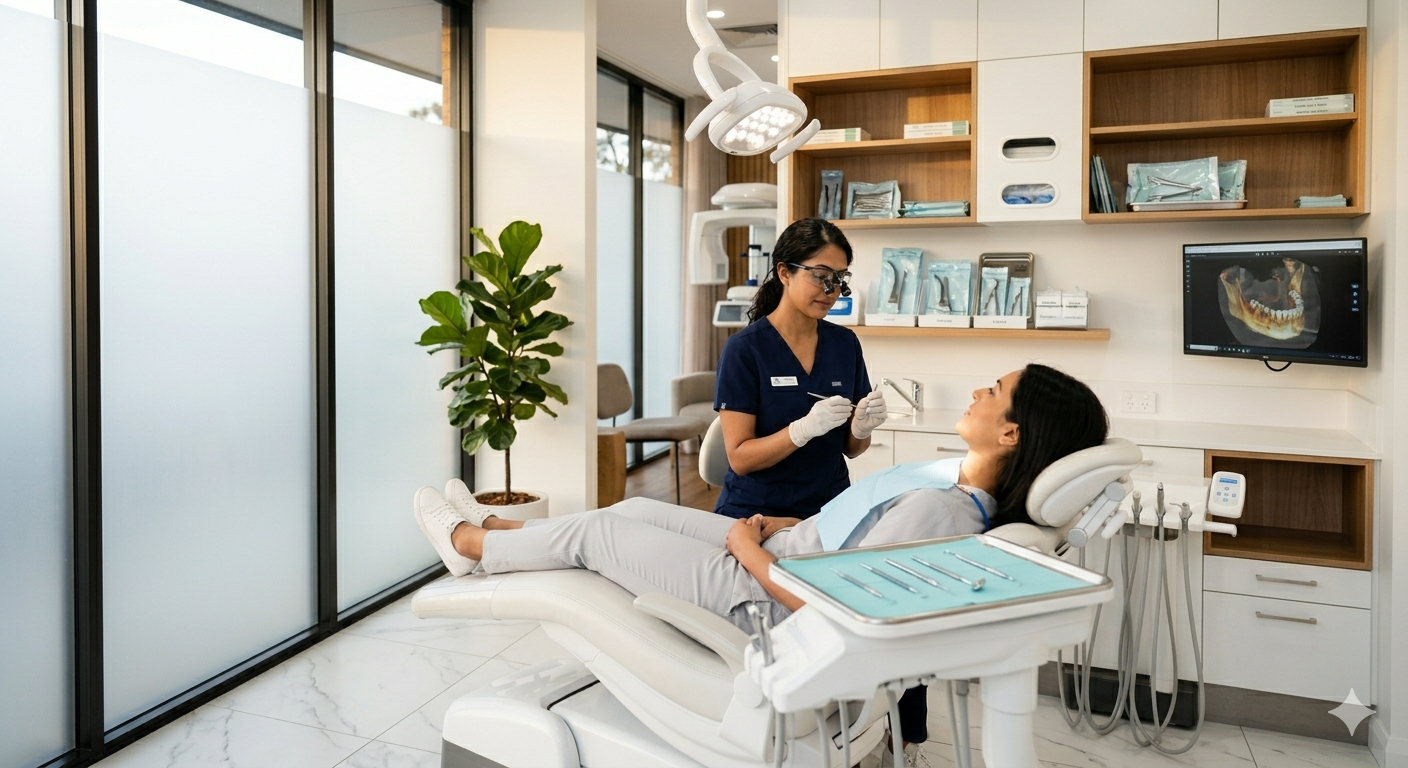
Sedation dentistry helps patients feel relaxed and calm during dental visits. It eases fear, reduces discomfort, and makes longer procedures less stressful. This creates a better experience from start to finish.
Sedation dentistry targets anxiety by calming the nervous system. Patients who feel uneasy or scared can benefit from mild sedatives that lower stress levels before and during treatment.
Options like nitrous oxide (laughing gas) provide quick relaxation without deep sedation. Oral sedatives and intravenous (IV) sedation go further by helping patients stay comfortable even during more complex procedures.
This support makes it easier for people who avoid the dentist due to fear to get the care they need. It also helps reduce physical symptoms like rapid heartbeat or nausea that often come with dental anxiety.
Longer dental treatments can be tiring and uncomfortable. Sedation dentistry allows patients to undergo procedures like root canals, crowns, or multiple fillings without feeling overwhelmed.
With sedation, the patient’s body is more relaxed and still, allowing the dentist to work more efficiently. This often means fewer appointments, as more work can be done at once because the patient can tolerate it.
Sedatives also reduce pain sensitivity. This lowers the need for large amounts of local anesthesia, and less discomfort means a smoother recovery afterward.
A positive dental experience encourages better long-term oral health. Sedation removes much of the fear and physical discomfort that keep many people from visiting the dentist regularly.
When a patient feels comfortable, they are more likely to communicate openly with their dentist. This leads to better, personalized care and more trust in the treatment plan.
Feeling at ease during visits can also make patients more proactive about routine checkups and cleanings. This improves oral health and helps catch problems early.
Sedation dentistry offers several options based on the patient’s anxiety level and procedure complexity. These methods range from mild relaxation to deeper sedation, allowing patients to feel calm and comfortable during treatment.
Nitrous oxide is a popular choice for mild to moderate dental anxiety. It’s inhaled through a small mask, and effects appear quickly, making patients feel relaxed but still awake.
The gas wears off almost immediately after the mask is removed, so patients can drive themselves home. It’s safe for most people, including children, and has minimal side effects like slight dizziness or nausea.
Dentists in Brooklyn recommend nitrous oxide for routine cleanings, fillings, or minor procedures because it reduces anxiety without deep sedation. It’s a great first step for patients nervous about the dentist who want to stay in control.
Oral sedation involves taking a prescribed pill about an hour before the appointment. This method creates a calming effect, helping patients feel drowsy or lightly asleep but still able to respond.
Unlike nitrous oxide, oral sedation has a longer recovery time, so someone should drive the patient home. It’s suitable for those with moderate dental fear or undergoing longer treatments.
Common medications include diazepam or triazolam, tailored to the patient’s needs and health history. Oral sedation is discreet and easy to use, making it a convenient option for different levels of anxiety.
IV sedation delivers medication directly into the bloodstream, offering a deeper level of sedation. Patients often drift in and out of consciousness but can be awakened if needed.
This method is typically used for complex or lengthy procedures like wisdom tooth extractions or dental implants. It allows dentists to perform multiple treatments in one visit without patient discomfort.
Recovery is slower compared to oral or nitrous oxide sedation, so patients need someone to accompany them. Because it requires careful monitoring, IV sedation is usually administered by specialists trained in sedation dentistry.
Sedation dentistry can make dental visits easier for many people by addressing specific challenges that cause discomfort or anxiety. Understanding who benefits most helps ensure patients receive the right care tailored to their needs.
People with intense fear of dental procedures often struggle to sit through treatments. This fear may come from past negative experiences or general anxiety about pain and discomfort. Sedation reduces awareness and helps them feel calm during their visit.
Dentists usually recommend sedation for these patients to prevent stress-related issues like rapid heartbeat or headaches. It also makes it easier to perform thorough care without interruptions caused by nervous movements or sudden withdrawals.
Sedation can range from mild relaxation to deeper states of calm. Each level is chosen based on the patient’s anxiety severity, ensuring comfort without putting them to sleep completely.
A sensitive gag reflex can make dental work uncomfortable or even impossible. This reflex triggers an involuntary response when the soft palate or throat is stimulated, leading to retching or choking sensations.
Sedation helps by calming the body’s response and diminishing these sensations. Patients who gag repeatedly during exams or cleanings often find sedation dentistry improves treatment success.
Dental professionals tailor sedation type and dosage specifically to control the gag reflex gently. This approach allows more precise work and reduces stress for the patient.
Some people find it very hard to stay still during dental procedures, whether due to medical conditions, age, or natural restlessness. Movement during treatment can disrupt care quality and increase the risk of injury.
Sedation dentistry assists by promoting relaxation and reducing physical tension. Patients can remain comfortably motionless for longer periods, making complex or extended procedures possible.
Kids, elderly patients, and those with special needs often benefit from this approach. It provides a safer, more effective way for dentists to deliver necessary treatments.
Sedation dentistry involves precise care to keep patients safe and comfortable. It starts with understanding each patient’s health and continues through careful monitoring before, during, and after the procedure.
Before any sedation, dentists review a patient’s medical history in detail. This includes allergies, medications, heart conditions, and past reactions to anesthesia. They may also check vital signs like blood pressure and oxygen levels.
This step ensures the sedation plan matches the patient’s unique needs. Sometimes additional tests are required to rule out risks. Honest communication between patient and dentist here sets the foundation for a safe sedation experience.
During sedation, a licensed dental professional closely watches the patient’s vital signs. This includes heart rate, blood pressure, oxygen saturation, and breathing. Equipment like pulse oximeters and EKG monitors are standard.
The dental team is trained to respond immediately if changes occur. They adjust sedation levels carefully and maintain comfort while prioritizing safety. This hands-on approach reduces risk and helps patients feel secure throughout.
After sedation, patients are monitored until they regain full awareness and stable vital signs. They receive clear instructions on resting and avoiding activities like driving for several hours.
Hydration and light meals are encouraged once alertness returns. Patients should arrange transportation home and have someone stay with them if possible. Follow-up calls or visits help address any side effects or questions during recovery.
Sedation dentistry has come a long way with advances that make dental visits more comfortable and less stressful. Today’s techniques focus on safety while gently easing patients’ anxiety.
Nitrous oxide, or laughing gas, is one of the most common methods. It acts quickly and wears off just as fast, allowing patients to feel relaxed without losing full awareness. This makes it a great option for routine cleanings and minor procedures.
For deeper relaxation, oral sedation uses medications taken by mouth. It calms nerves before and during treatment, and patients often feel drowsy but can respond to instructions. This method suits people with more significant anxiety or longer appointments.
Another option is IV sedation, which delivers medication directly into the bloodstream. It allows precise control over sedation levels and is helpful for complex or multiple procedures. Patients under IV sedation usually have little or no memory of the treatment, making it ideal for those with strong dental fears.
Dentists today also use monitoring technology to track heart rate and oxygen levels throughout treatment. This ensures patient safety and adjusts sedation as needed in real-time.
Here’s a quick look at common sedation types:
| Technique | How It Works | Ideal For | Duration |
|---|---|---|---|
| Nitrous Oxide | Inhaled gas, fast acting | Mild anxiety, short visits | Minutes |
| Oral Sedation | Pills or liquid taken by mouth | Moderate anxiety | Several hours |
| IV Sedation | Medication through vein | Severe anxiety, complex cases | Varies, controlled by dentist |
If fear or discomfort holds someone back from dental care, these modern sedation options offer gentle solutions. Asking a dentist about which method fits best can be the first step to a calmer visit.
Finding a dentist who offers sedation dentistry requires careful consideration. It’s important to focus on clear communication, experience with sedation methods, and real patient feedback to make an informed choice.
During the consultation, patients should ask about the types of sedation offered and how the dentist determines the best option. It’s crucial to know if the dentist is certified in sedation techniques and how they monitor safety throughout the procedure.
Questions about the dentist’s experience with sedation, any pre-sedation instructions, and possible side effects help manage expectations. Patients should also inquire about the recovery process and if a companion is needed to accompany them after treatment.
Reading patient reviews gives insight into how comfortable others have felt with sedation at the practice. Pay attention to comments about the dentist’s bedside manner, pain management, and how well they explained the sedation process.
Look for consistent remarks about reliability and professionalism. Balanced reviews that mention both positives and minor concerns can provide a realistic picture of patient experiences in Brooklyn dental offices offering sedation.
Preparing well ensures the sedation process is smooth and comfortable. Understanding the day-of logistics and having support ready can ease anxiety and improve the experience.
Patients should arrive with a comfortable outfit since sedation may cause drowsiness afterward. Eating instructions vary; some types of sedation require fasting for a few hours, while others allow light meals. The dental team will review medical history and explain the sedation method.
Before the procedure, vital signs like blood pressure and heart rate are checked. During sedation, patients remain relaxed but may be somewhat aware depending on the sedation type used. Post-treatment, rest is essential as grogginess can last several hours.
It’s important to bring someone to the appointment. Sedation slows reaction times and judgment, so patients should not drive themselves home. A trusted companion can help with transportation and stay during recovery.
This support person can also assist with communication and provide reassurance before and after treatment. Dental staff often ask this person to be present for discharge instructions to ensure care at home is understood and followed properly.
After sedation dentistry, patients often feel relaxed but may experience mild grogginess or dizziness. It’s important to rest for the remainder of the day to let the sedation wear off completely.
Eating soft foods and drinking plenty of water helps with recovery. Avoid hot drinks, alcohol, or heavy meals until feeling fully alert. If local anesthesia was used, patients should be careful not to bite their lips or tongue until sensation returns.
Some soreness or tenderness in the treated area is normal. Over-the-counter pain relievers can ease discomfort if needed. The dentist will provide specific instructions on managing any swelling or bleeding.
A trusted friend or family member should accompany patients to and from the appointment. Driving or operating machinery is not recommended for at least 24 hours after sedation.
Here is a quick care checklist for after sedation:
| Care Step | Why It Matters |
|---|---|
| Rest and avoid strenuous activity | Allows body to recover |
| Stick to soft foods and fluids | Prevents irritation or injury |
| Follow medication guidance | Controls pain and prevents infection |
| Avoid driving or working | Ensures safety while groggy |
If unusual pain, prolonged numbness, or other concerns arise, contacting the dental office promptly is important. This helps ensure a smooth, comfortable recovery.
Patients should feel confident reaching out with any questions. The team is there to support them every step of the way toward a healthy smile.
After considering sedation dentistry, the next steps focus on maintaining comfort and oral health. Scheduling a consultation with a trusted Brooklyn dentist helps tailor the sedation plan to individual needs. This ensures a smoother, less stressful dental experience every time.
Patients should also adopt daily habits that support their dental work. Brushing twice a day with fluoride toothpaste and flossing are simple but effective habits for preventing decay and gum disease. Drinking plenty of water and limiting sugary snacks also contribute to long-term dental health.
Regular dental checkups are important. These visits allow dentists to monitor healing after sedation procedures and catch problems early. Many Brooklyn practices offer flexible scheduling and personalized reminders to make visits easier to manage.
Here is a quick checklist for patients considering sedation dentistry:
| Step | Why It Matters |
|---|---|
| Consultation | Customizes safe sedation options |
| Daily oral hygiene | Protects teeth and gums |
| Regular dental visits | Keeps treatments on track |
| Open communication | Addresses anxiety and adjusts care |
By taking these steps, patients can build a healthier smile with confidence and comfort. Encouraging open dialogue with dental professionals supports the best outcome for both treatment and ongoing care.
Many patients want to know about the cost of sedation, how it fits with anxiety management, and the safety rules dentists follow. Questions also come up about preparing for sedation, medical concerns, and coverage options for Brooklyn residents.
Sedation typically ranges from $150 to $500 per visit. The type of sedation (nitrous oxide, oral, IV), length of treatment, and your dentist’s experience can affect the price. Insurance may cover part, but it varies widely.
Yes, sedation is often offered for anxiety, not just for complex procedures. Communicating your fears with your dentist helps them recommend the right sedation to keep you comfortable.
The “2-4-6 rule” guides fasting times before sedation: no solid food for 6 hours, no milk or light meals for 4 hours, and only clear liquids up to 2 hours before treatment. This reduces the risk of complications like aspiration during sedation.
Sedation can be safe with medical conditions, but it requires careful evaluation. Dentists review your health history and may coordinate with your doctor to avoid drug interactions and ensure safety.
Patients should arrange for a ride home and avoid eating or drinking as per the fasting rule. After sedation, feeling groggy or tired for a few hours is normal, so rest and avoid driving or operating machinery.
Some Medicaid plans in Brooklyn cover emergency dental care, but sedation coverage is limited. It’s best to check your specific Medicaid plan or ask your dental office for guidance on benefits.