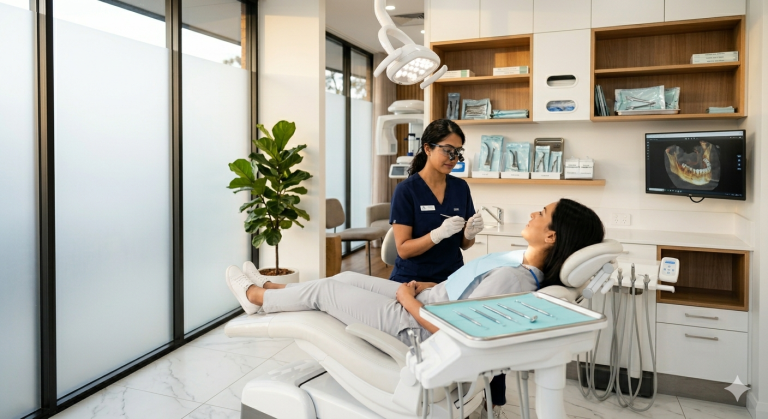
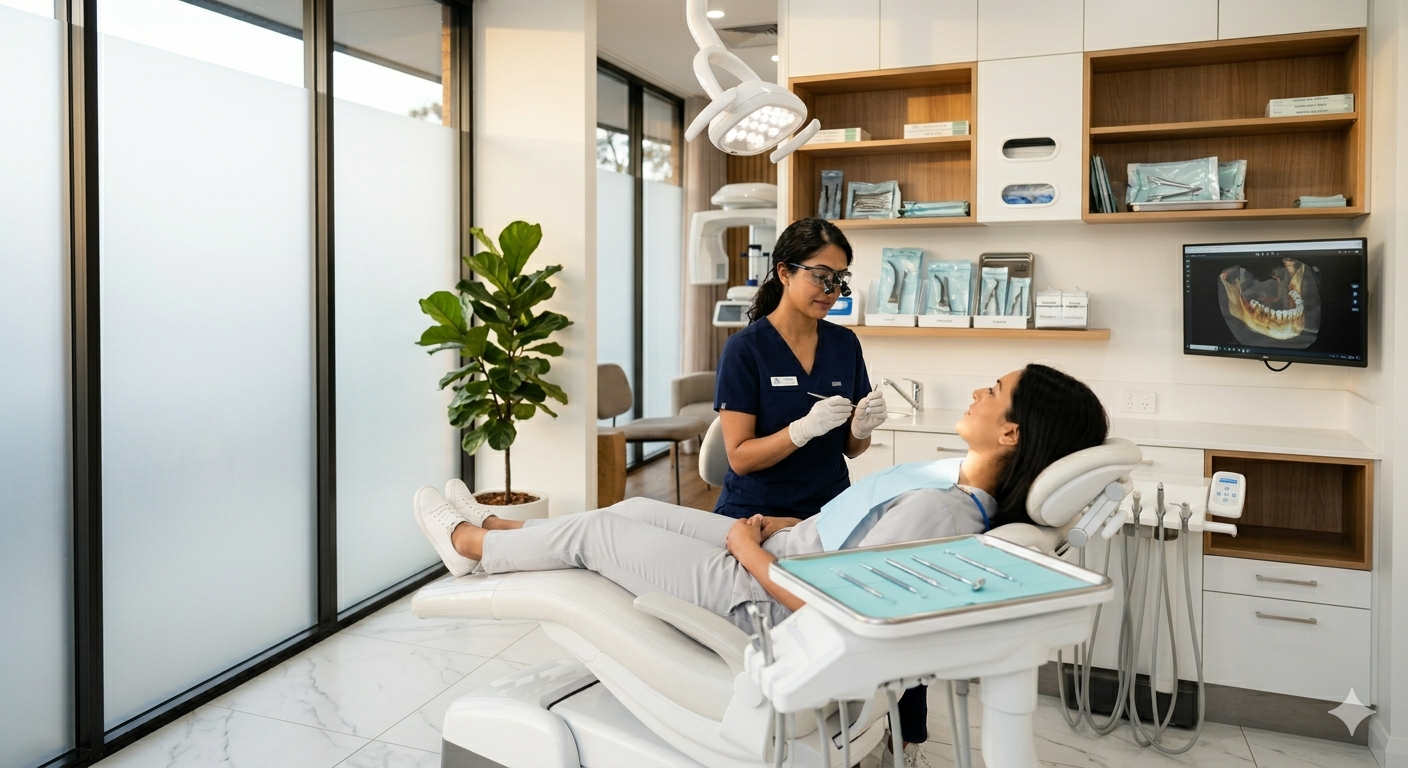
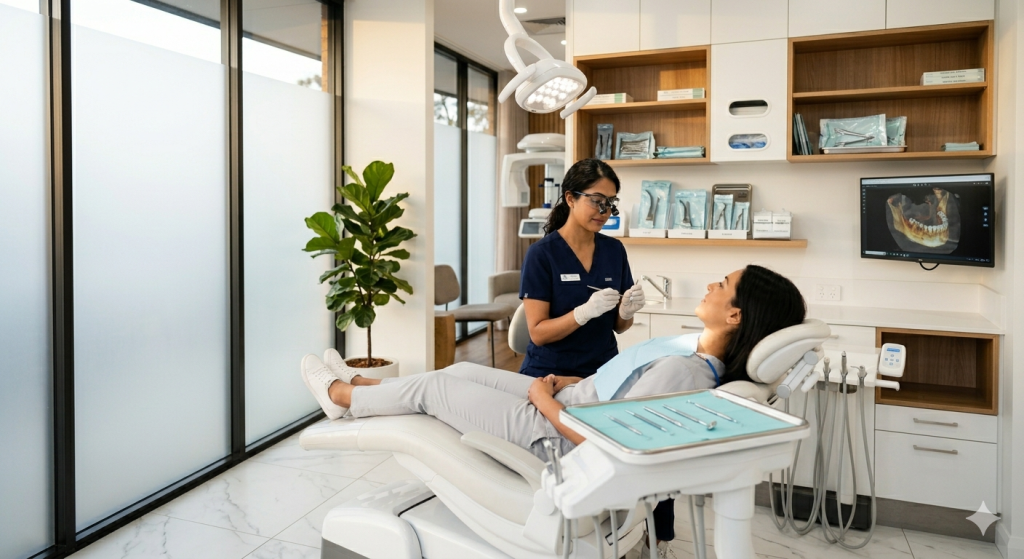
When dental emergencies strike in Brooklyn, finding quick and reliable care is essential to prevent pain and further damage. An emergency dentist in Brooklyn, NY, provides immediate treatment for issues like severe toothaches, broken teeth, or infections, often offering same-day appointments. This helps patients avoid lasting problems and get back to their daily lives with confidence.
Many people aren’t sure when a dental situation qualifies as an emergency. Emergency dentists are equipped to handle urgent cases with gentle care, using modern techniques that focus on patient comfort. Whether it’s night or weekend, they’re ready to provide expert help when it’s needed most.
Knowing where to turn in a dental emergency can ease stress and save teeth. Emergency dentists in Brooklyn offer clear guidance and fast solutions, making them a trusted resource for anyone facing an unexpected dental problem.
Dental emergencies involve situations that require immediate care to relieve pain, stop bleeding, or prevent lasting damage. Knowing how to recognize these cases helps patients decide when to seek prompt treatment versus when to schedule a regular appointment.
Severe tooth pain that wakes someone up or does not improve with over-the-counter painkillers is a clear sign of an emergency. Other signs include uncontrollable bleeding, a knocked-out tooth, or visible tooth fractures exposing the nerve.
Swelling around the face or jaw, difficulty breathing or swallowing, and sudden loose teeth also point to urgent problems. Patients should watch for fever with dental pain, which can signal infection needing quick attention.
Urgent issues include knocked-out teeth, deep cuts to the mouth, or severe infection symptoms such as swelling and fever. These require immediate dental care to prevent long-term damage or serious health risks.
Non-urgent issues might involve mild tooth sensitivity, minor chips without pain, or loose fillings. These problems should be addressed but usually do not need emergency visits and can wait for a scheduled appointment.
| Urgent Signs | Non-Urgent Signs |
|---|---|
| Knocked-out tooth | Mild sensitivity |
| Severe toothache | Minor chips |
| Uncontrolled bleeding | Loose filling |
| Swelling with fever | Slight gum irritation |
Delaying care for emergencies can cause infections to spread, increasing pain and complicating treatment. Quick intervention often saves the tooth and prevents the need for more invasive procedures like root canals or extractions.
Prompt care also helps control bleeding and reduces the risk of permanent damage to surrounding tissues. Addressing a dental emergency quickly keeps recovery faster and less stressful, leading to better outcomes for the patient.
Knowing how to quickly find a dentist who handles urgent dental issues can ease stress during an emergency. Important factors include the dentist’s availability, credentials, and what to expect from their services to ensure you get timely, reliable care when you need it most.
The first thing to check is whether the dentist offers same-day appointments or has flexible hours, including nights and weekends. Emergency dental needs don’t always fit regular office hours, so finding one who can respond fast is critical.
Also, consider if they handle a wide range of emergencies, like broken teeth, severe pain, or lost fillings. Look for dentists who mention trauma care or urgent procedures on their websites. Patient comfort is key too—look for reviews that mention gentle care and clear communication during stressful situations.
Start by searching online with terms like “emergency dentist Brooklyn NY” and checking the dental office websites or business listings. Many offices now list their emergency availability upfront, making it easier to know if they take walk-in patients.
Calling a few offices directly can confirm if they can see you on short notice. Some dentists partner with 24-hour dental clinics, so ask about after-hours options. Using local dental associations or insurance provider listings can help narrow down options that are nearby and covered under your plan.
Make sure the emergency dentist is a licensed practitioner registered with the New York State Dental Board. You can verify this online through official state websites. It’s important they have specific experience in urgent care, not just routine checkups.
Look for dentists with additional training in managing pain and dental trauma—this ensures they handle emergencies efficiently and safely. Reading patient reviews on platforms like Google or Healthgrades can reveal how well the dentist manages emergency situations and patient comfort during treatments.
Emergency dental care covers a range of urgent issues that need fast, effective treatment to relieve pain and prevent further damage. Treatment varies depending on whether the problem involves pain, injury, or loss of dental work.
Severe toothaches often signal an infection or deep decay that requires immediate attention. Dentists typically examine the tooth, take X-rays, and may perform a root canal if the nerve is infected. This treatment removes the infected tissue and seals the tooth to stop pain and prevent spread.
If swelling is present, antibiotics may be prescribed to control infection before further procedures. Pain relief is prioritized, and dentists often use local anesthesia during treatment to keep patients comfortable.
A broken tooth can vary from a small chip to a complete fracture. Treatment depends on the extent of the damage. Minor chips can be repaired with bonding, while larger breaks may need crowns or veneers to restore function and appearance.
For a knocked-out tooth, immediate action is critical. If the tooth is preserved properly, typically by placing it back in the socket or keeping it moist, a dentist can sometimes reimplant it. Time is essential since chances of saving the tooth decrease after an hour.
Losing a filling or crown exposes the tooth, causing sensitivity or pain. Dentists can usually replace the filling or re-cement the crown quickly. Acting fast prevents further decay or damage to the exposed tooth.
Until dental care is received, applying dental cement available at pharmacies or covering the area with sugarless gum can protect the tooth temporarily. Avoid chewing on the affected side to reduce discomfort.
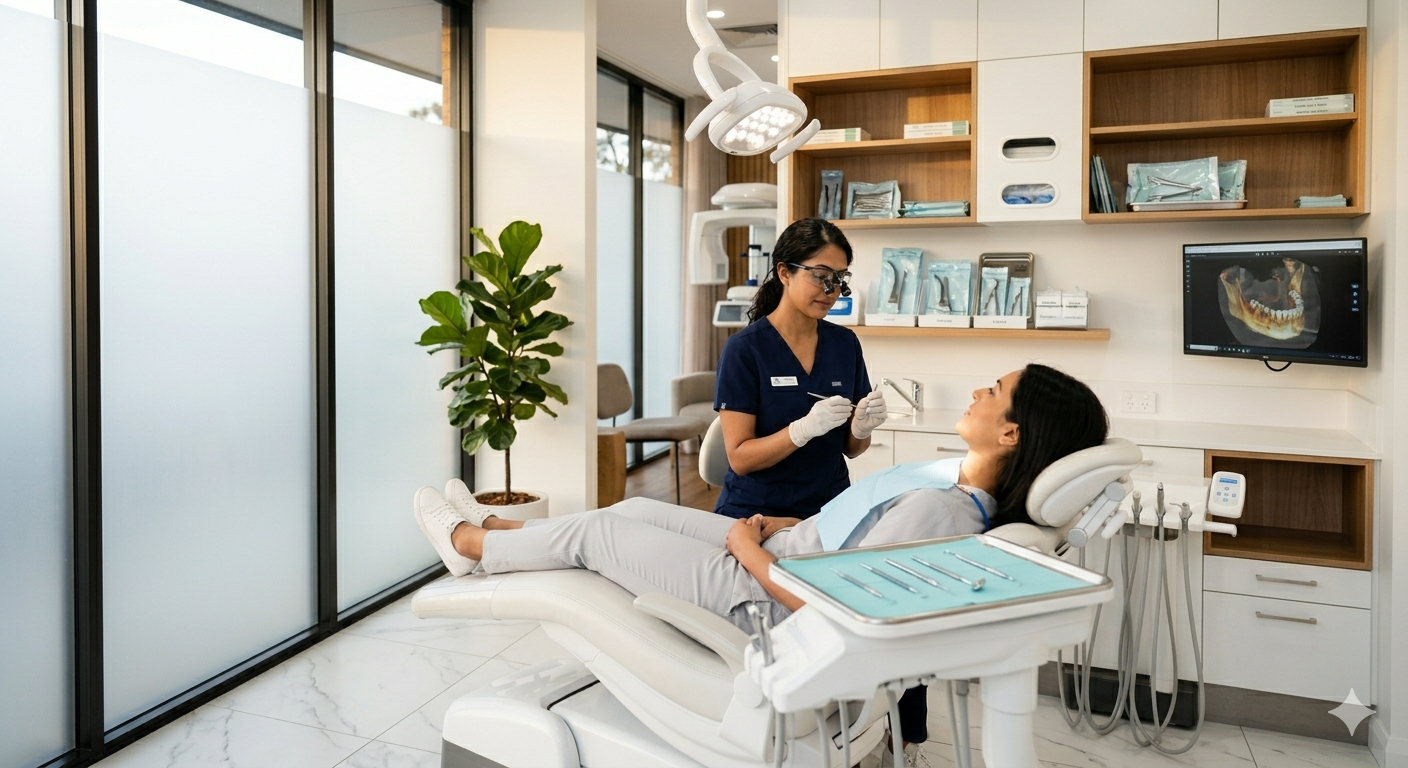
Visiting an emergency dentist in Brooklyn, NY, means getting prompt and professional care tailored to your urgent dental needs. The experience focuses on quick assessment, effective pain relief, and a comforting environment to ease stress during an anxious moment.
When a patient arrives, the dental team begins with a detailed intake, asking about the pain level, symptoms, and any recent dental history. This helps pinpoint the issue quickly and prevents delays in treatment. A hands-on exam follows, often combined with digital X-rays to locate infection, fractures, or other internal damage.
This initial step usually takes about 15-30 minutes. During this time, the dentist discusses findings and explains treatment options clearly. Patients are encouraged to ask questions to understand their condition fully before moving forward.
Pain management is a top priority. The dentist uses targeted local anesthesia to numb the affected area almost immediately. For patients with anxiety, options like nitrous oxide (laughing gas) or mild sedation are available to keep them relaxed throughout the procedure.
In addition, modern dental tools minimize discomfort, allowing for faster and gentler treatment. Cold compresses or prescription pain medications may be recommended after the visit to ensure ongoing comfort while healing begins.
Emergency dental teams in Brooklyn maintain a warm, patient-focused approach throughout the visit. Staff members greet patients promptly and maintain clear communication to keep anxiety low. Wait times are kept minimal because urgent cases require immediate attention.
The dentist explains every step during treatment, checking in frequently to adjust comfort levels. This combination of efficiency and empathy helps patients feel cared for, supported, and optimistic about their dental recovery.
Advanced technology and innovative techniques have transformed how dental emergencies are treated. These improvements help dentists diagnose problems quickly, fix damaged teeth the same day, and offer treatments that are less painful and preserve more of the natural tooth.
Digital X-rays provide clear, instant images that help dentists spot fractures, infections, and other issues during emergencies. Unlike traditional film X-rays, digital images appear within seconds on a screen, allowing for faster diagnosis.
This technology also reduces radiation exposure by up to 80%, making it safer for patients. It helps dentists plan precise treatments with minimal discomfort. Digital sensors can even create 3D images when needed, giving a detailed view of complicated cases, such as deeply impacted teeth or severe trauma.
When a tooth breaks or a filling falls out, same-day restorations can often fix the problem without multiple visits. Using materials like composite resin, dentists shape and harden restorations quickly with a special light, restoring both function and appearance.
Crowns and veneers can also be designed and milled in-office using CAD/CAM technology, allowing for a custom fit often completed within hours. This is especially helpful during emergencies to provide immediate relief and protect the damaged tooth from further harm.
Modern dentistry favors treatments that preserve as much natural tooth structure as possible. In dental emergencies, options like laser therapy can reduce pain and speed healing without drills or extensive drilling.
Techniques such as air abrasion remove decay using fine particles instead of conventional tools, often eliminating the need for anesthesia. These methods improve comfort and reduce recovery time, making emergency visits less stressful for patients who are anxious or in pain.
Proper care after an emergency dental visit helps ease pain, protect healing, and avoid repeat problems. Following specific steps at home and staying alert to changes ensures a smooth recovery and long-term oral health.
After emergency treatment, swelling and soreness are common. Applying a cold compress to the outside of the cheek for 15-minute intervals can reduce swelling and numb pain effectively.
Over-the-counter pain relievers like ibuprofen are often recommended. Patients should avoid aspirin because it can thin blood and increase bleeding. Soft, cool foods and plenty of water also support comfort during recovery.
Brushing gently around the treated area is important to prevent irritation but maintaining daily oral hygiene reduces infection risk. If tenderness or bleeding worsens, contacting the dentist promptly is advised.
Preventing emergencies starts with routine dental care. Regular check-ups and cleanings help catch issues like cavities or weakened teeth before they become urgent.
Wearing a mouthguard during sports or grinding prevention treatments can protect teeth from trauma. Avoiding biting hard objects like ice or pens reduces the chance of cracks or chips.
Healthy habits such as limiting sugary snacks, quitting smoking, and using fluoride toothpaste strengthen teeth. Patients should also keep emergency contact information handy for quick access when needed.
A follow-up appointment usually occurs within a week or two depending on the treatment. This visit ensures the area is healing properly and lets the dentist check for signs of infection or complications.
If pain lingers beyond the expected timeframe or new symptoms like fever, swelling increase, or jaw stiffness appear, patients should seek earlier review. Prompt follow-up can catch problems before they worsen.
Clear communication with the dental office about any concerns after the emergency visit helps tailor aftercare and supports the best recovery outcome.
Finding the right dental professional means looking beyond qualifications. It involves building trust, feeling comfortable during visits, and receiving care tailored to your unique needs. These factors combined help ensure effective treatment, especially during emergencies.
Trust begins with open communication. A skilled Brooklyn emergency dentist listens carefully to concerns and explains procedures in clear, simple terms. This transparency helps patients feel confident in their care decisions.
Credentials and experience matter, but so does reputation. Many patients rely on reviews and referrals to find dentists known for reliability and professionalism. Visiting the office beforehand can also provide a sense of the environment and staff demeanor.
Consistency strengthens trust. Regular appointments with the same dentist help build rapport, making emergency visits less stressful. Trust also involves honest pricing and realistic expectations about treatment outcomes.
Emergency dental issues can be stressful, so a caring dentist prioritizes patient comfort. This includes gentle techniques, modern pain management, and a calming environment to ease anxiety.
Many Brooklyn dental offices offer amenities such as noise-canceling headphones, warm blankets, or sedation options. These small touches can make visits more bearable, especially for those with dental fears.
Support extends beyond the appointment. Friendly staff who answer follow-up questions and offer clear aftercare instructions help patients feel secure throughout recovery. Comfort is a key part of quality dental care.
Effective emergency treatment often starts with personalized prevention. An expert dentist designs care plans based on individual risks, lifestyle, and dental history to minimize future emergencies.
They may recommend regular cleanings, customized oral hygiene instructions, or protective treatments like sealants. This proactive approach helps catch issues early and keeps teeth strong.
Preventive care plans are tailored, not one-size-fits-all. The dentist adjusts recommendations based on ongoing evaluations, ensuring the patient’s needs stay current. This personalized focus supports long-term dental health.
When someone faces a dental emergency in Brooklyn, NY, the first move is often the hardest. Knowing where to turn quickly can reduce pain and prevent further damage. Emergency dentists are ready to help with care tailored to urgent needs.
It’s important to call ahead if possible. This lets the office prepare and prioritize treatment. Many emergency dentists offer same-day appointments, so patients don’t have to wait long.
Patients should gather relevant information before the visit: details about the injury, any pain levels, and medical history. This helps the dentist provide faster, more accurate care.
Here’s a quick checklist before contacting an emergency dentist:
Modern dental offices often use advanced technology to ease discomfort and speed recovery. From digital X-rays to minimally invasive treatments, these tools make emergency visits less stressful.
Encouraging patients to stay calm and communicate openly can make all the difference. Emergency dentists understand the fear that comes with sudden dental problems and focus on patient comfort every step of the way.
Emergencies like severe pain, broken teeth, or infections require fast, clear guidance. Knowing when to act and what steps to take at home can make a big difference. Coverage and payment options also matter for timely care.
A true dental emergency includes intense pain, uncontrollable bleeding, knocked-out teeth, or swelling that affects breathing. Immediate care is crucial when pain is sudden and severe or when trauma causes damage to your mouth or jaw.
Many emergency dentists in Brooklyn accept walk-ins but calling ahead can reduce your wait time. Some clinics recommend scheduling urgent appointments to ensure quick treatment.
Rinse gently with warm salt water to reduce swelling and clean the area. Use over-the-counter pain relievers and avoid very cold or hot foods. Never apply aspirin directly to the gums.
ERs usually handle trauma or infections that threaten overall health but rarely provide dental-specific treatments like fillings or extractions. You will likely still need to see a dentist for proper dental care.
Yes, emergency dentists handle urgent extractions safely. Local anesthesia ensures you feel minimal discomfort during the procedure. They focus on gentle care and managing pain before, during, and after.
Many Brooklyn emergency dentists accept Medicaid and Healthfirst plans. For those without insurance, clinics often offer flexible payment plans or discounted emergency care options to make treatment affordable.