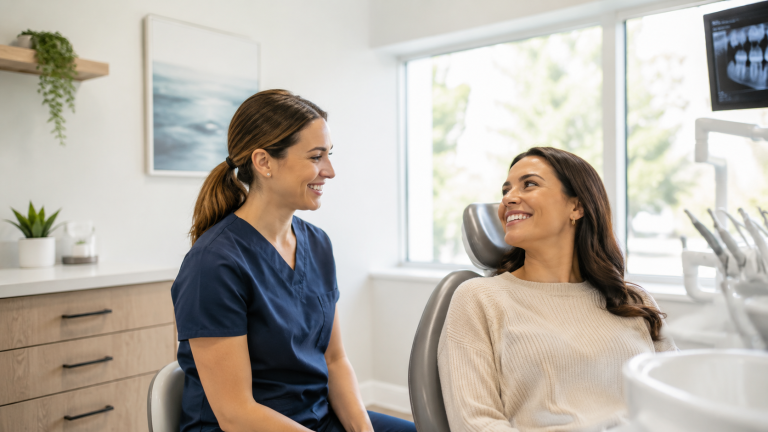
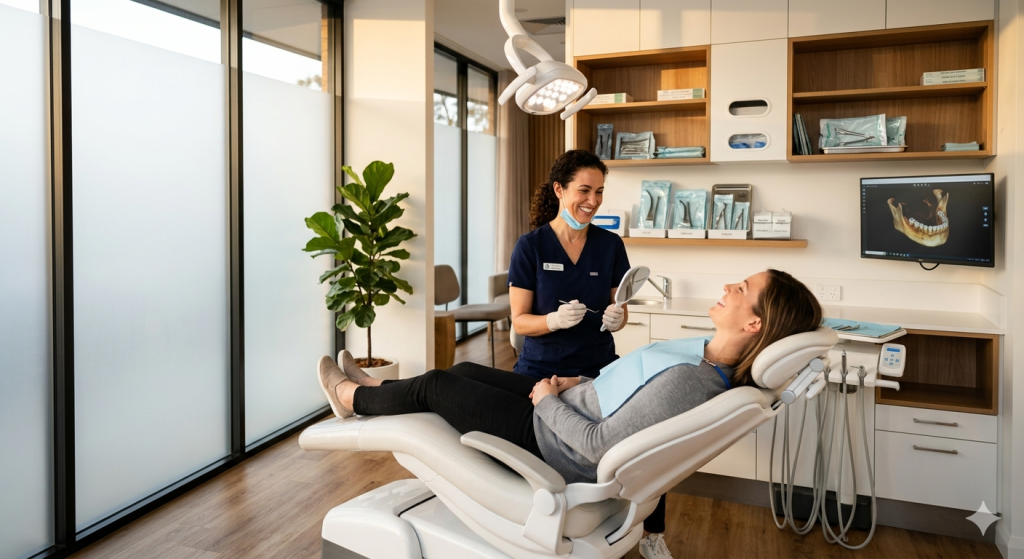
When it comes to root canal treatment in Brooklyn, many patients worry about discomfort and anxiety. Thankfully, modern dental practices offer several sedation options designed to help you feel calm and comfortable throughout the procedure. Sedation methods range from mild relaxation techniques to deeper sedation, tailored to each patient’s needs and preferences.
Dentists in Brooklyn often use nitrous oxide, oral sedatives, or intravenous (IV) sedation to ensure pain-free and stress-free treatment. These options make a root canal much more manageable, even for those with dental fear or sensitivity. Understanding the choices available can help patients feel more confident about their visit.
Knowing about sedation can ease much of the anxiety around root canals. If you or someone you know is hesitant about this common treatment, learning about sedation options is a good first step toward a relaxed experience and healthier smile.
Root canal treatment is a common dental procedure that addresses deep tooth pain and infection. It involves removing damaged tissue inside the tooth to save it from extraction. Patients in Brooklyn can expect a clear process tailored to minimize discomfort and promote healing.
A root canal becomes necessary when the pulp—the soft tissue inside the tooth—becomes inflamed or infected. This usually happens due to deep decay, repeated dental procedures, cracks, or trauma to the tooth. Symptoms often include persistent tooth pain, sensitivity to hot or cold, swelling, and sometimes discoloration of the tooth.
Ignoring these signs can lead to abscesses, spreading infection, and further complications. Dentists in Brooklyn recommend root canals to relieve pain and save the natural tooth structure, which helps maintain proper chewing and jaw alignment.
During a root canal, the dentist first administers local anesthesia to ensure the patient is comfortable. Then, they create a small opening in the tooth to access and remove the inflamed or infected pulp. The canals inside the roots are cleaned thoroughly and shaped to receive a filling material.
After filling the canals with a biocompatible substance, the tooth is sealed with a temporary or permanent restoration. The whole procedure typically takes one or two visits, depending on the tooth’s condition. Patients often describe mild soreness afterward, which can be managed with over-the-counter pain relievers.
One common myth is that root canals are extremely painful. In reality, modern techniques and sedation options make the procedure relatively comfortable. Pain relief is the goal, and most patients feel better even before leaving the office.
Another misconception is that the treated tooth will be weak or require extraction soon after. Properly treated and restored teeth can last a lifetime with good oral hygiene. Lastly, some believe root canals cause illness, but there is no scientific evidence supporting this claim. Trustworthy Brooklyn dentists provide safe and effective care focused on long-term oral health.
Sedation plays a key role in making root canal treatments more manageable and less stressful. It helps patients relax, reduces pain, and ensures the procedure goes smoothly. Understanding sedation’s benefits and safety can help patients feel confident when facing root canal therapy.
Many people feel anxious about root canals due to past experiences or fear of pain. Sedation offers a way to ease these worries by calming nerves before and during treatment. Patients who might avoid the dentist altogether can receive necessary care with less fear.
Sedation techniques range from mild relaxation with oral medications to deeper sedation with intravenous options. These choices allow patients to remain comfortable, less aware of the procedure’s details, and in many cases, have little or no memory of the visit. This helps reduce anxiety not only for this procedure but future dental visits too.
Sedation doesn’t just alleviate anxiety; it also enhances physical comfort throughout the root canal process. It works alongside local anesthesia to control pain effectively. Patients feel relaxed muscles, lowered sensitivity, and sometimes a pleasant sense of drowsiness.
This comfort allows dentists to work more precisely and quickly since patients remain still. Root canals can be complex and lengthy, and sedation helps prevent discomfort or restlessness that might interrupt treatment. It can also lessen post-procedure soreness and minimize the stress response triggered by dental work.
Sedation used in root canals is generally safe when administered by trained professionals. Dental teams closely monitor vital signs like heart rate and oxygen levels to maintain patient safety. Before sedation, a thorough health history review helps identify any potential risks.
Patients are advised about fasting and medication guidelines to avoid complications. Some types of sedation allow quick recovery, while others may require a short period of observation after the procedure. Clear communication between patient and dentist ensures sedation is tailored and safely managed to fit individual needs.
Brooklyn dental offices offer several sedation options tailored to different patient needs and comfort levels. These methods range from numbing only the treatment area to using mild medications that help patients feel relaxed and calm throughout the procedure.
Local anesthesia is the most common and basic form of sedation used in root canals. It works by numbing just the tooth and surrounding area where the dentist is working. This blocks pain signals, allowing the patient to stay awake and aware without feeling discomfort.
The injection might cause a quick pinch, but the numbness it produces usually lasts several hours. Local anesthesia is safe for most patients and requires no recovery time, making it a straightforward choice for those concerned about pain but not anxious about the procedure.
Nitrous oxide, often called laughing gas, is a mild sedative delivered through a small mask placed over the nose. It helps patients feel relaxed and calm, reducing fear or anxiety during the root canal. The gas wears off quickly once the mask is removed, allowing patients to drive themselves home afterward.
This method is adjustable, so dentists can control the level of sedation based on how anxious the patient feels. It doesn’t cause deep sleep but offers a comfortable, stress-free experience for those who might be nervous about dental work.
Oral sedatives come in pill form and are taken before the procedure to induce relaxation. These medications range from mild anti-anxiety pills to stronger sedatives prescribed for more sensitive or anxious patients. They help reduce fear and keep patients calm throughout the root canal.
These medications require planning, as patients must arrange for someone to drive them home because of drowsiness. Dosage and timing are carefully controlled by the dentist to ensure safety and effectiveness. Oral sedatives provide an easy option for those who dislike injections or want a more relaxed experience without deep sedation.
When root canals cause significant anxiety or require extensive work, deeper sedation options come into play. These approaches help patients stay relaxed, comfortable, and pain-free during treatment, with varying levels of awareness and control.
IV sedation delivers a calming medication directly into the bloodstream, quickly helping patients feel drowsy and relaxed. Unlike oral sedatives, it works almost immediately and can be adjusted during the procedure for comfort.
Patients remain conscious but often have little memory of the treatment afterward. Breathing is typically unaffected, but monitoring by trained staff is essential throughout the session.
This option suits those with moderate anxiety or those needing longer appointments. Recovery is faster than general anesthesia, but someone should drive the patient home due to lingering drowsiness.
General anesthesia is used less often for root canals, reserved for patients with severe dental phobia, special health needs, or very complex cases. It induces a complete loss of consciousness.
Because patients are fully asleep, an anesthesiologist carefully controls breathing and vital signs. This method ensures zero awareness and no pain during the procedure.
General anesthesia is also chosen for children who can’t stay still or adults with intense gag reflexes. It requires more preparation and longer recovery time, so it’s typically done in a hospital or specialized clinic.
Both IV sedation and general anesthesia carry some risks, including breathing difficulties, allergic reactions, or heart rate changes. However, these risks are low when protocols are followed.
Dental teams in Brooklyn use detailed health histories and pre-screening to plan sedation safely. Continuous monitoring during procedures ensures any issues are caught early.
Emergency equipment is always on hand. Clear post-treatment instructions help patients recover smoothly, and follow-up is encouraged to address any concerns quickly.
Choosing the right sedation for a root canal involves more than picking a common option. It depends on the patient’s comfort level, medical background, and specific preferences. Dentists carefully evaluate these factors to create a personalized plan that ensures safety and relaxation during the procedure.
Dentists start by discussing how anxious or comfortable the patient feels about the root canal. Some people prefer minimal sedation like nitrous oxide because it wears off quickly. Others benefit from oral sedatives or IV sedation for deeper relaxation.
Questions about past dental experiences and pain tolerance help guide the choice. For instance, someone with high anxiety might need stronger sedation, while a patient familiar with dental visits may prefer lighter options. Dentists also consider the length of the procedure; longer treatments often require sedation that lasts longer.
Clear communication about what each sedation feels like and how it affects recovery helps patients make informed decisions. This tailored approach focuses on maximizing comfort without unnecessary medications.
Before selecting any sedation, dentists review the patient’s full medical history. Conditions like asthma, heart problems, or liver issues can influence which sedatives are safe to use. Allergies to medications or specific sedatives must be identified to avoid dangerous reactions.
Dentists often ask about current medications to prevent harmful interactions. For example, some sedatives should not be combined with blood thinners or antidepressants. A thorough examination can also include checking vital signs to ensure a patient’s body can handle sedation.
This careful screening provides peace of mind and helps dentists choose the safest option. It also allows them to prepare for any potential complications, prioritizing patient safety throughout the root canal process.
Getting ready for a root canal with sedation involves a few simple but important steps. Clear instructions and thoughtful preparation can make the visit smoother and ease any anxiety.
Patients should follow specific guidelines based on the chosen sedation method. If using oral sedation or nitrous oxide (laughing gas), it’s important not to eat a heavy meal at least 4 hours before the appointment. Drinking water is usually allowed but avoid caffeine or alcohol the day of.
For IV sedation, patients must fast for at least 6 hours beforehand. They should arrange for someone to drive them home since the effects may last beyond the procedure. Informing the dentist about all medications, allergies, and health conditions is essential to ensure safe sedation.
On the day of the appointment, wearing comfortable clothing is advisable, especially loose sleeves if IV sedation is planned. Bringing a friend or family member can provide support and help with transport afterward.
Arrive a little early to complete any necessary paperwork and discuss final concerns with the dental team. The office will prepare the sedation, and a nurse or assistant will explain the process. Patients can expect to feel relaxed or sleepy during the treatment, with gentle monitoring throughout for their safety and comfort.
Proper care after sedation and a root canal helps reduce discomfort and speeds healing. Following clear instructions ensures safety and supports a smooth recovery at home.
Right after the procedure, patients typically need to rest until the sedation wears off. It’s important to avoid driving or operating heavy machinery for at least 24 hours. Drinking water and eating soft foods once alert helps maintain hydration and nourishment without disturbing the treated area.
The dental team may provide specific instructions about oral hygiene. Gentle brushing around the site, avoiding vigorous rinsing or touching the area, minimizes irritation. If numbness persists, patients should be cautious when chewing to avoid biting the tongue or cheek.
Taking prescribed pain relievers or antibiotics on schedule reduces the risk of infection and manages pain effectively. Any swelling or discomfort can often be eased with a cold compress applied intermittently during the first 24 hours.
Keeping the head elevated while resting can help minimize swelling. Patients should avoid hot, spicy, or crunchy foods for several days to prevent irritation. Drinking through a straw is not recommended because it could dislodge the blood clot or root canal filling.
Maintaining good oral hygiene is vital but should be gentle around the treatment site. Saltwater rinses starting 24 hours after the procedure can soothe tissues and promote healing.
If pain, swelling, or unusual symptoms persist beyond a few days, contacting the dental office promptly is important. Follow-up visits allow the dentist to monitor healing and address concerns early, ensuring the recovery stays on track.
Encouraging patients to communicate openly with their dental provider about their comfort helps tailor post-treatment care to their needs.
Finding the right sedation dentist in Brooklyn starts with research. Patients should look for dentists who specialize in sedation and have relevant certifications. Board certifications and specialized training in sedation dentistry offer reassurance about their expertise.
Checking reviews and asking for recommendations is helpful. Positive experiences shared by other patients often reveal how comfortable and professional the dentist is during root canal procedures. Word of mouth from friends or family can also be valuable.
It’s important to confirm the sedation options offered. Some dentists provide nitrous oxide (laughing gas), oral sedation, or IV sedation. The choice depends on a patient’s anxiety level and medical history, so discussing options beforehand is key.
A trusted sedation dentist will communicate clearly about what to expect before, during, and after the procedure. Patients should feel comfortable asking questions about safety, side effects, and recovery time.
Here’s a quick checklist to keep in mind:
| Step | What to Look For |
|---|---|
| Credentials | Certifications and sedation training |
| Patient reviews | Positive feedback on sedation comfort |
| Sedation methods | Variety matching patient needs |
| Clear communication | Answers all questions thoroughly |
Taking these steps can help patients find a sedation dentist who prioritizes their comfort and care. It’s always a good idea to schedule a consultation to discuss concerns and sedation options before the root canal.
After deciding on the right sedation option for a root canal, the next steps are important to ensure a smooth, comfortable experience.
First, scheduling a consultation with a trusted Brooklyn dental specialist helps address any questions about sedation and treatment. During this visit, patients can discuss medical history, anxiety levels, and preferences to find the best sedation method.
Patients should also prepare by following any instructions from the dentist—such as fasting rules or arranging transportation if sedation causes drowsiness. Clear communication about any medications or health conditions is essential for safety.
After the procedure, proper care is key. Following post-treatment guidelines, including pain management tips and oral hygiene practices, supports healing and comfort.
| Tips for After Root Canal Sedation |
|---|
| Rest and avoid strenuous activity |
| Take prescribed medications as directed |
| Use ice packs to reduce swelling if needed |
| Maintain soft foods diet initially |
A friendly dental team is the best partner for making the whole process easier. Patients are encouraged to speak up about their concerns or experiences.
Reaching out to schedule a consultation or ask questions can make a big difference in feeling confident and cared for throughout treatment.
Sedation during a root canal can vary based on patients’ needs and comfort levels. Options range from simple local anesthesia to deeper sedation methods, each with specific uses and safety considerations.
Most root canals are performed using local anesthesia that numbs the specific area, allowing patients to stay awake but pain-free. However, some patients may opt for deeper sedation or general anesthesia if anxiety or medical factors require it.
Common choices include nitrous oxide (laughing gas), oral sedation pills, and intravenous (IV) sedation. Nitrous oxide helps patients relax quickly, oral sedation offers a mild to moderate calming effect, and IV sedation provides deeper relaxation while still allowing response to the dentist.
The decision depends on your anxiety level, medical history, and length of the procedure. A dental professional will evaluate these factors and recommend the safest and most effective option tailored to your comfort.
Sedation is generally safe, but your dentist will review your health history and medications carefully. Some conditions or drug interactions may affect the choice or dosage of sedation, requiring close monitoring or alternative approaches.
Before sedation, you may be asked to avoid eating or drinking for several hours. After deeper sedation, patients usually need someone to drive them home and stay with them until they fully recover, as coordination and alertness might be impaired.
Prices vary based on the type of sedation used, the dentist’s experience, office location, and the complexity of the case. Some sedation methods require special equipment or monitoring staff, which can also affect the overall fee.