For many people, a straighter smile feels exciting—but the price tag can feel intimidating. The good news is that patients searching for affordable Invisalign in Brooklyn, NY often have more options than they realize. Clear aligner treatment can be planned in different ways, and many dental offices offer payment options that help make care more manageable.
Invisalign is a popular clear aligner system that uses a series of removable trays to gradually guide teeth into better alignment. Because the trays are nearly invisible and can be taken out for meals and brushing, many adults and teens prefer them over traditional braces.
Still, every smile is different. The final cost, treatment length, and best approach depend on a patient’s bite, tooth movement needs, oral health, and goals. This guide explains what can affect Invisalign pricing, how patients can reduce out-of-pocket costs, and what to ask before starting treatment.
This article is for educational purposes only and should not replace a dental consultation. A licensed dentist or orthodontic provider can evaluate your teeth, bite, gums, and health history to recommend the safest and most appropriate treatment plan.
There is no single “standard” Invisalign price because clear aligner treatment is customized. Two patients may both want straighter teeth, but one may need minor front-tooth adjustments while another may need more complex bite correction. Those differences can change the number of aligners, appointment schedule, and overall treatment time.
Simple spacing or mild crowding may require fewer aligners. More involved concerns—such as rotated teeth, deep bites, open bites, crossbites, or significant crowding—often require more planning and longer treatment. In general, more complex cases can cost more because they need additional aligners, monitoring, and refinements.
Some patients complete clear aligner treatment in several months, while others may need a year or more. Treatment time depends on how far teeth need to move and how consistently the patient wears the aligners. Most Invisalign plans require aligners to be worn for 20 to 22 hours per day unless a dentist gives different instructions.
A dental office that uses digital scans, treatment simulation software, and careful bite planning may provide a smoother and more comfortable experience. Technology does not make treatment “one-size-fits-all,” but it can help patients better understand their plan and expected steps before they begin.
After Invisalign, retainers help keep teeth in their new positions. Some treatment fees include retainers, while others list them separately. Patients should always ask what is included in the quoted price so there are no surprises later.
Affordable does not always mean the lowest advertised price. In dentistry, affordability should also include quality, safety, convenience, and clear communication. A very low price may not include important parts of care, such as digital scans, refinements, retainers, or follow-up appointments.
For patients in Brooklyn, NY, a truly affordable Invisalign option is one that fits the budget while still providing professional oversight. Clear aligners move teeth through controlled pressure. Without proper evaluation, patients may risk gum irritation, bite changes, tooth mobility, or results that do not match their goals.
A reputable dental provider should explain the treatment plan, review costs clearly, answer questions, and help patients understand financing or insurance options before treatment begins.
Patients who want clear aligners but feel concerned about cost can often reduce financial stress with the right planning. Here are practical ways to make Invisalign more budget-friendly.
Many dental offices offer monthly payment arrangements or work with third-party financing companies. Instead of paying the full treatment cost upfront, patients may be able to divide the cost into smaller monthly payments. This can make Invisalign feel more realistic for working adults, students, and families.
Some dental insurance plans include orthodontic benefits that may apply to Invisalign or other clear aligners. Coverage varies widely. Some plans cover a percentage of treatment up to a lifetime maximum, while others cover orthodontics only for children or teens.
Patients should ask the dental office to help verify benefits before treatment starts. Important questions include: Does the plan cover adult orthodontics? Is Invisalign included? Is there a waiting period? What is the lifetime orthodontic maximum?
Flexible Spending Accounts and Health Savings Accounts may allow patients to use pre-tax dollars for eligible dental and orthodontic expenses. This can reduce the effective cost of treatment. Patients should check with their plan administrator to confirm what qualifies.
When comparing Invisalign fees, patients should look beyond the total number. One office may include scans, appointments, refinements, and retainers, while another may charge separately for some of those items. A slightly higher all-inclusive fee may be more predictable than a lower quote with add-on costs.
The most accurate way to understand cost is to schedule a consultation. During this visit, a dentist can evaluate whether Invisalign is appropriate, estimate the level of treatment needed, and discuss payment options. Patients can also ask whether a shorter or limited aligner plan is possible for their case.
Invisalign and traditional braces can both be effective for many orthodontic concerns. The best choice depends on a patient’s dental needs, lifestyle, and preferences.
Clear aligners are often appealing because they are removable, discreet, and easier to clean around than brackets and wires. Patients can eat most foods without restrictions because aligners come out during meals. Brushing and flossing may also feel more familiar compared with cleaning around braces.
However, Invisalign requires strong patient commitment. If aligners are not worn as directed, teeth may not move as planned. Braces stay fixed in place, which can be helpful for patients who may forget to wear removable trays.
For some complex bite issues, braces or a combination approach may be recommended. A dental provider can explain whether Invisalign is a good fit or whether another orthodontic option may provide better control.
Many teens and adults are interested in Invisalign because they want a less noticeable way to improve their smile. Candidates may include patients with mild to moderate crowding, spacing, or certain bite concerns. That said, only a clinical exam can confirm whether clear aligners are suitable.
Good candidates usually have healthy gums, manageable dental decay risk, and a willingness to wear aligners consistently. If a patient has cavities, gum disease, or other oral health concerns, those issues may need treatment before starting Invisalign.
Adults often appreciate clear aligners because they can fit into professional and social settings. Aligners are subtle enough for meetings, photos, and daily conversations. For adults who postponed orthodontic treatment earlier in life, Invisalign may offer a modern way to revisit those goals.
Teens may also benefit from clear aligners, especially when they feel self-conscious about braces. Parents should remember that aligner success depends on responsibility. Teens need to wear trays as instructed, keep them safe during meals, and maintain good oral hygiene.
Understanding the process can make treatment feel less overwhelming. While each office has its own workflow, most Invisalign treatment follows a similar path.
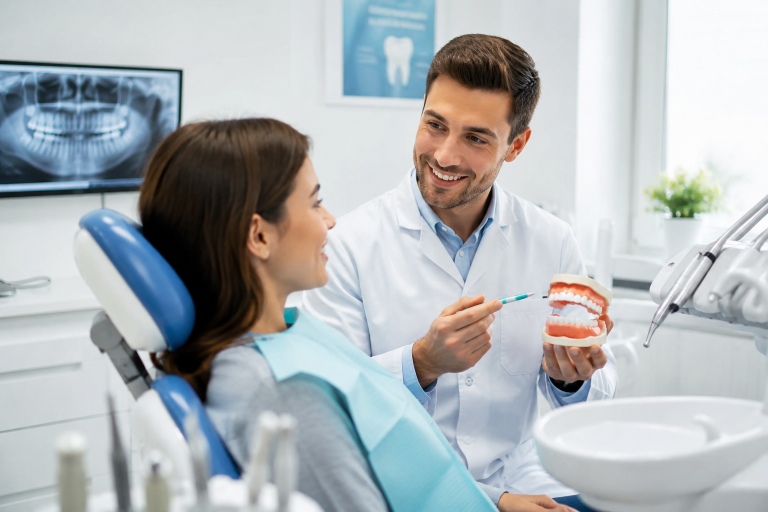
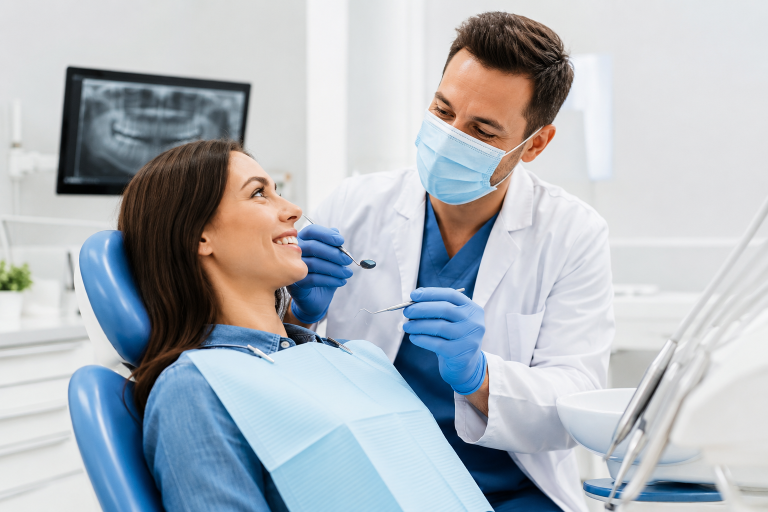
The dentist examines the teeth, gums, jaw relationship, and bite. Digital scans or impressions may be taken. The provider will also discuss goals, concerns, and whether Invisalign is likely to be appropriate.
If the patient moves forward, the provider creates a customized plan. Many patients can preview a digital simulation showing how teeth may move over time. This helps set realistic expectations before aligners are made.
Patients receive a series of aligners and wear each set according to the dentist’s instructions. Aligners should usually be removed only for eating, drinking anything besides water, brushing, and flossing.
Follow-up visits help the dentist confirm that teeth are tracking as planned. If teeth need extra fine-tuning, additional aligners called refinements may be recommended.
Once treatment is complete, retainers help preserve the new alignment. Teeth naturally tend to shift over time, so retainers are an important part of protecting the investment.
Patients who feel nervous about dental care are not alone. Invisalign treatment is generally non-surgical and does not involve brackets or wire adjustments, but some patients still feel anxious about appointments, impressions, or dental exams.
A comfort-focused dental office can help by explaining each step, answering questions, and creating a calm environment. For patients with significant dental anxiety, discussing comfort options before treatment may make visits feel easier. Brooklyn Sedation Dentist is known for serving patients who value a reassuring, patient-centered experience.
Aligners may feel snug when a new set is started. Mild pressure is common because the trays are guiding teeth into new positions. This feeling usually improves as the teeth adjust. Severe pain, damaged aligners, or concerns about fit should be discussed with the dental team promptly.
Before starting treatment, patients should feel comfortable asking direct questions. A good provider will welcome them.
Clear answers help patients compare options and avoid confusion. Invisalign is an investment, so it is reasonable to understand both the clinical plan and the financial details.
The cost varies based on case complexity, treatment length, provider fees, insurance coverage, and what is included in the treatment package. A consultation is the best way to receive an accurate estimate for an individual smile.
Invisalign may cost more, less, or about the same as braces depending on the case and provider. The best comparison is a personalized quote for both options, including retainers and follow-up care.
Some plans include orthodontic benefits that may apply to Invisalign, but coverage varies. Patients should ask the dental office to verify benefits and confirm whether adult orthodontics and clear aligners are covered.
Many dental offices offer payment plans or financing options. Monthly payments can make treatment easier to budget, but terms vary, so patients should review interest rates, down payments, and total costs before enrolling.
Treatment time depends on how much movement is needed and how consistently aligners are worn. Some minor cases may take only several months, while more involved cases can take longer than a year.
Patients may feel pressure or soreness when starting a new set of aligners. This is usually temporary. Sharp pain, gum irritation, or aligners that do not fit properly should be evaluated by the dental team.
Aligners should be removed before eating. Patients should brush or rinse before putting them back in to help reduce the risk of staining, plaque buildup, and cavities.
Most patients need retainers after treatment to help keep teeth from shifting. The dentist will explain how often to wear them and how to care for them.
Patients looking for affordable Invisalign in Brooklyn, NY do not have to guess about cost or treatment options. A consultation can clarify whether clear aligners are appropriate, what the expected investment may be, and which payment options can help make care more manageable.
The right dental team will focus on more than straight teeth. They will also consider comfort, oral health, bite function, and long-term stability. For patients who want a discreet, modern way to improve their smile, Invisalign may be worth exploring.
Brooklyn Sedation Dentist welcomes questions from patients who want clear answers and a comfortable experience. Scheduling a consultation is a simple next step toward understanding options, costs, and a personalized path forward.